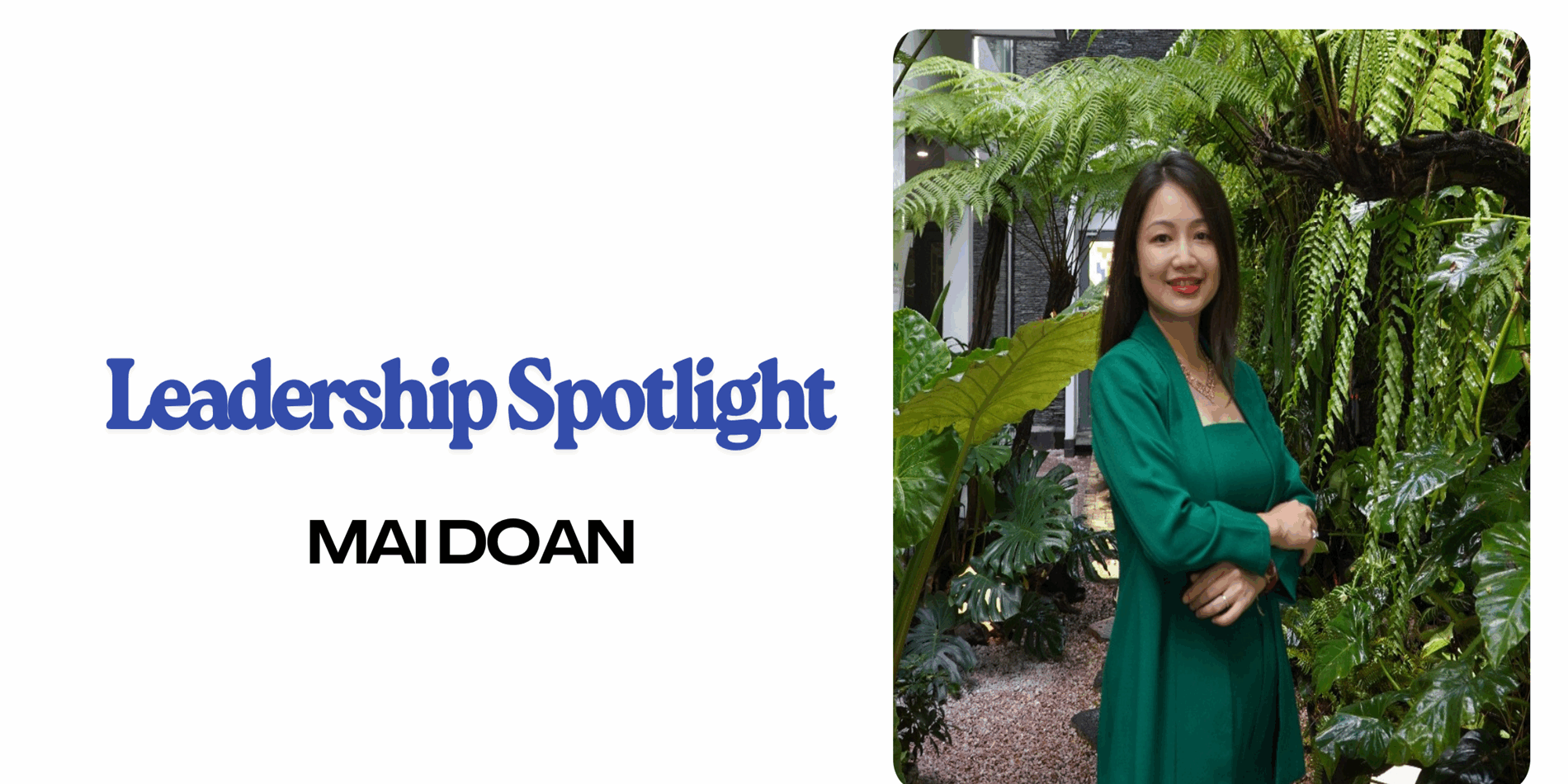
1. How did your international business and law background shape your pathway into conservation and NGO leadership?
My background in international business and law studies provided a unique lens to approach conservation. It equipped me with skills in strategic planning, stakeholder engagement, project monitoring, and navigating complex systems, skills critical in the nonprofit sector. These competencies helped me structure funding mechanisms and advocate for sustainable policies, paving the way for my leadership role at Conservation Vietnam.
2. What motivated you to pursue a Professional Science Master’s in Fisheries and Wildlife Administration after such a diverse career?
My transition to conservation was driven by a deep desire to align my career with a purpose that impacts Vietnam’s natural heritage. While my skills addressed funding and capacity challenges, the mission to protect endangered species and ecosystems resonated deeply. The Master’s program allowed me to deepen my understanding of conservation challenges, applying my existing expertise to make a tangible difference.
3. From investment and legal compliance to conservation, what skills carried over that surprised you most?
I was surprised by how my ability to manage and evaluate investments translated to assessing the impact of grants on biodiversity and ecosystems, rather than financial returns. Stakeholder engagement, honed through negotiating with businesses, proved invaluable for building partnerships with communities, governments, and donors. Additionally, my ability to empathize and understand the diverse mental models of stakeholders allows me to effectively persuade them to commit to long-term investments in sustainability, yielding achievable outcomes based on carefully monitored assumptions.
4. How does your cross-disciplinary background give you a unique advantage in solving today’s conservation challenges?
My cross-disciplinary background allows me to approach challenges holistically, combining insights into regulatory frameworks, securing funding, and managing resources efficiently. I recognize that a healthy environment for humanity requires more than clean air and water. It demands sustainable natural resources and a thriving, biodiverse ecosystem. Observing the patterns in developing nations, where economic growth often leads to biodiversity loss, I see the rising trend of ESG (Environmental, Social, and Governance) principles guiding the path toward conservation. With my diverse background, I felt equipped to transition from the private sector to conservation, leading with mindful steps to balance environmental and social sustainability goals for natural resources.
5. As COO, what have been your biggest challenges in managing operations, fundraising, and granting mechanisms?
As COO, I oversee fundraising, grant allocation, and organizational strategy. While my work is deeply meaningful, it faces systemic challenges, including delays caused by political shifts and differing stakeholder perspectives. The biggest challenge is ensuring transparent and sustainable funding for conservation organizations while meeting donor expectations for measurable impact. I’ve learned that humility and patience are as vital as commitment and determination in driving change for a sustainable future.
Mai Doan as a speaker in the panel discussion “Conservation with Women in Conservation” with NOW Leaders ASAP Species in Bangkok, Thailand
- Can you share an example of how Conservation Vietnam supports grassroots organizations in building capacity?
Conservation Vietnam supports grassroots organizations by providing financial grants and operational development programs, including workshops and study tours. Our workshops offer insights into the donor landscape, strategic planning through logical frameworks, budgeting, knowledge sharing, and field trips to enhance capacity building. We aim to support the organization’s leaders as they hold the power to inspire others to join hands for the cause that benefits all.
7. How do you see Vietnam’s role in global climate and biodiversity advocacy evolving?
Vietnam’s rich biodiversity positions it as a key player in global advocacy. With initiatives like the National Biodiversity Strategy and Action Plan (NBSAP) to 2030, Vietnam is aligning with international frameworks. Conservation Vietnam’s efforts, such as funding ecosystem protection projects, contribute to this momentum through sustainable practices, public-private partnerships, and community-driven conservation. I envision Vietnam becoming a model for balancing development with biodiversity preservation in Southeast Asia and I am quite positive that we are moving toward the right direction as a whole country to step up in protecting our nature resources.
8. What strategies are most effective in uniting businesses, governments, and NGOs around conservation goals?
Effective strategies include fostering public-private-philanthropy partnerships. Businesses can integrate biodiversity conservation into their operations through CSR programs, while governments create enabling policies. NGOs like Conservation Vietnam act as connectors by providing funding and expertise to grassroots initiatives. Regular stakeholder dialogues and transparency in funding with measurable outcomes build trust across sectors.
9. Is there a field story or moment that deeply impacted your perspective on conservation?
During a field visit to a national reserve for our project saving the Vietnam Pheasant (Lophura edwardsi), a critically endangered bird endemic to central Vietnam’s lowland forests, faces a formidable conservation challenge as the species has been driven to the brink of extinction by habitat destruction, hunting, and snaring. Seeing this rare species in its natural habitat, amidst challenges like habitat loss and climate impacts, underscored the urgency of our work to secure funding for umbrella species for forest ecosystems. Interacting with local rangers and communities, who protect these species despite limited resources, was humbling. It reinforced that conservation is about supporting both species and the people who sustain them.
Mai Doan on her field trip with Viet Nature for site visit at our project site for Vietnam Pheasant Lophura Edwardsi in Phong Dien Nature Reserve in Hue, Vietnam
10. What keeps you motivated when facing the tough realities of environmental work?
The vision of a thriving natural world, the passion of my colleagues, and the resilience of local communities keep me motivated. The inspiration from conservationists and the desire for future generations, including my children, to witness species flourishing in the wild is a constant source of purpose.
11. For students interested in climate action, what skills should they develop to be impactful?
Students should focus on interdisciplinary problem-solving, communication, and project management. Combining environmental science with data analysis, fundraising, and policy advocacy amplifies impact. Emotional intelligence, cultural sensitivity, resilience, and adaptability are also critical for collaborating with diverse stakeholders and navigating long-term challenges. Although these skills and knowledge can be acquired through education and training, I encourage the students to go out into the field into nature whether it’s on the farm, the forest or the beach to experience life outside of their home, classroom or offices. From there, they can be inspired by nature and the people around them to find the solution that could make a difference.
Mai Doan delivered the presentation for Conservation Vietnam at World Student Festival 2024 in Ho Chi Minh City, Vietnam
12. What advice would you give to young people who want to combine business, law, and sustainability in their careers?
Embrace your diverse skill set and seek opportunities to apply it to meaningful challenges. Explore ways to pivot your skills toward sustainability through CSR initiatives, environmental law, or nonprofit work. Stay curious, network with sustainability professionals, volunteer for conservation projects, and take risks to pursue your passion. Your unique blend of skills will make you the global leader who can drive innovative solutions for a sustainable future.